- About Us
-
Products & Services
Customize me!
Leam more about Naturalin Agricultural
Custom solutions. MORE +
- Quality
- Sustainability
- News
- Contact Us








Development and Market Prospects of the "Medicine-Food Homology" Industry
Post time: 2026-08-14
The concept of "Medicine-Food Homology" (MFH) is rooted in the wisdom of the Chinese people's health practices spanning millennia and serves as an integral component of the theoretical framework of Traditional Chinese Medicine (TCM). Many natural ingredients offer both rich nutritional value and therapeutic properties, enabling comprehensive nourishment and regulation of bodily functions.
From the *Huangdi Neijing* (Yellow Emperor's Inner Canon)—which advocates using medicine to eliminate illness followed by dietary support—to Sun Simiao of the Tang Dynasty (who emphasized treating ailments with food first, resorting to medicine only if dietary therapy failed) and the systematic compilation by Li Shizhen in the Ming Dynasty's *Compendium of Materia Medica* (Bencao Gangmu), the theory of medicine-food homology has run through the entire history of TCM, making a unique contribution to the health and vitality of the Chinese nation.
In 1987, the former Ministry of Health issued the *Administrative Measures on the Prohibition of Adding Drugs to Food*, which included an initial list of 33 items classified as both food and medicine. Following multiple rounds of additions and adjustments, the official list of substances serving as both food and medicine had expanded to 106 items by August 2024.
According to data from QYResearch, the global market for medicine-food homology products reached $7.583 billion in 2025 and is projected to grow to $10.27 billion by 2032, with a compound annual growth rate (CAGR) of 4.5% (2026–2032). Against the backdrop of the post-pandemic era and the booming "Big Health" industry, the consumer philosophy of "nourishment through food" aligns with the public's demand for natural, gentle, and sustainable health solutions, driving increasing global interest in medicine-food homology products.
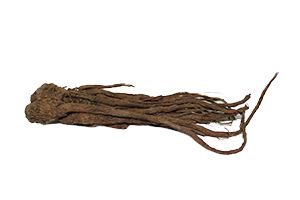
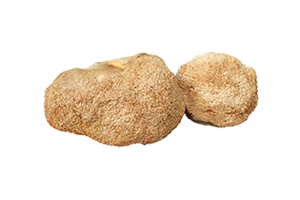
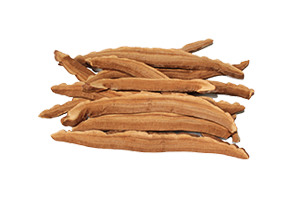
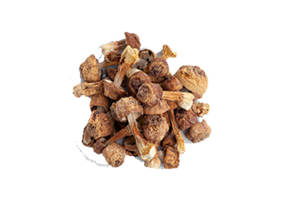
Currently, classic medicine-food homology ingredients—such as ginseng, turmeric, Angelica sinensis (dong quai), goji berries, and cinnamon—have transcended traditional medicinal applications and are widely used in the R&D and innovation of functional foods both domestically and internationally. Leveraging modern extraction technologies, the industry produces standardized herbal extracts that precisely preserve the key active substances of the raw materials. For instance, standardized Astragalus extract modulates the human immune system; Ziziphus (sour jujube) seed extract is commonly used in capsules and gummies designed to soothe the mind and aid sleep; Coix seed extract helps strengthen the spleen and dispel dampness; and Ganoderma extract, rich in beta-glucans, is a highly recognized wellness ingredient. These extracts offer stable composition, making them well-suited for diverse product development needs.
As consumer demand for health-oriented products rises, the "medicine-food homology" industry is achieving a deep integration of traditional dietary therapy culture with modern processing technologies, thereby continuously expanding the application scope of herbal extracts. Looking ahead, the industry will continue to unlock the value of natural herbal resources and drive the standardization and internationalization of the Chinese wellness system.
References:
[1] QYResearch. Global Dual-Purpose Food and Medicine Product Industry: Overall Scale, Market Share, and Rankings of Major Enterprises (2026).
[2] Lv Jiawei, Wang Zhenguo. Historical Evolution and Conceptual Development of "Dual-Purpose Food and Medicine" [J]. Journal of Dual-Purpose Food and Medicine, 2025, 1(10): 24-30.