- About Us
-
Products & Services
Customize me!
Leam more about Naturalin Agricultural
Custom solutions. MORE +
- Quality
- Sustainability
- News
- Contact Us


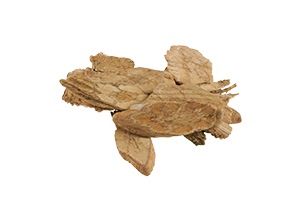
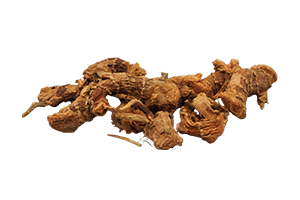
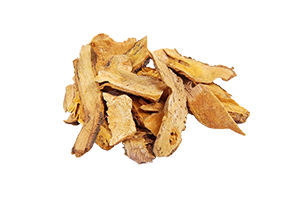
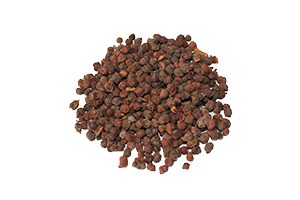
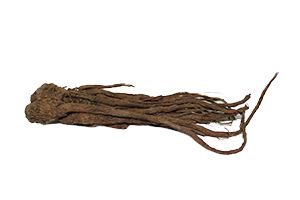
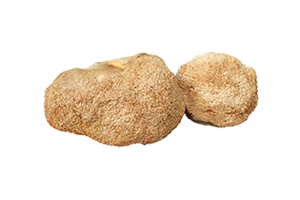
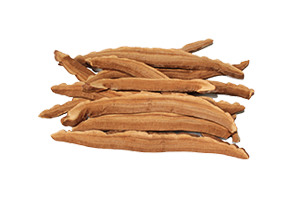
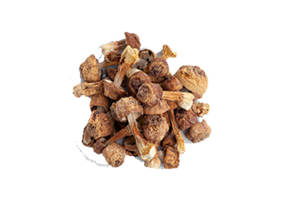
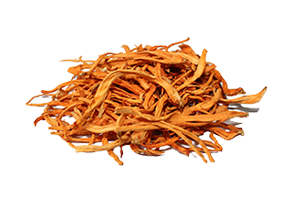






Cordyceps militaris: Functional Fungal Ingredient
Post time: 2026-08-21
Cordyceps militaris belongs to the genus *Cordyceps* within the family Clavicipitaceae and is classified as an edible and medicinal fungus. In nature, it parasitizes the larvae or pupae of Lepidoptera insects. It consists of two parts: the stroma the "grass" portion) and the sclerotium (the insect carcass portion); it is also known as "Northern Cordyceps" or "Northern Winter-Worm Summer-Grass." Native to Southeast Asia, Cordyceps militaris is now distributed globally, including in China, Japan, the United States, and Italy.
Market Overview
Data from Fortune Business Insights indicates that the global Cordyceps militaris market size is projected to reach USD 1.52 billion in 2025. It is expected to grow from USD 1.69 billion in 2026 to USD 3.91 billion by 2034, with a compound annual growth rate (CAGR) of 11.09% during the forecast period. The Asia-Pacific region holds a 45% share of the global market, with China serving as the core market within the region.
Active Ingredients
Cordycepin (3'-deoxyadenosine): A nucleoside compound isolated from Cordyceps militaris; in vitro studies demonstrate its anti-inflammatory and antimicrobial activities.
Cordyceps polysaccharides: Found in the fruiting bodies, mycelia, and fermentation broth of Cordyceps militaris; they possess immunomodulatory, antioxidant, and blood lipid-regulating properties.
Cordycepic acid (D-mannitol): A polyol substance involved in the regulation of osmotic pressure within the body; clinically, it is frequently used as a diuretic and an agent to reduce edema.
Key Benefits
• Immunomodulation: Cordyceps polysaccharides can activate MAPK and NF-κB signaling pathways, promote B-lymphocyte proliferation, and regulate the secretion of cytokines such as TNF-α and IL-6. They help alleviate immune damage and correct immune imbalances, thereby maintaining immune homeostasis.
• Anti-aging: Cordycepin and Cordyceps polysaccharides scavenge free radicals, boost hepatic SOD activity, inhibit the formation of membrane lipid peroxidation products, and enhance monoamine oxidase activity in the brain. Studies using C. elegans models have confirmed that cordycepin extends lifespan through antioxidant and fatty acid metabolism regulatory pathways without interfering with normal growth or reproduction, demonstrating potential anti-aging activity.
• Blood lipid regulation: Cordyceps polysaccharides regulate lipid metabolism via multiple targets, inhibiting pre-adipocyte differentiation, reducing lipid deposition and atherosclerotic plaque formation, and lowering total cholesterol and triglyceride levels. They also modulate lipid metabolism pathways and reshape gut microbiota composition to alleviate hyperlipidemia.
Popular Applications
√ Dietary Supplements: Formulated into capsules, tablets, and oral liquids to boost immunity, improve physical performance, and relieve fatigue; a widely used mushroom-derived ingredient in the global market.
√ Functional Foods & Solid Beverages: Cultivated Cordyceps militaris fruiting bodies are a government-approved "new food raw material." They can be used in the development of health products such as energy drinks, mushroom coffee, protein shakes, cereal products, seasonings, and medicinal liquors.
√ Cosmetic Ingredients: Valued for their anti-inflammatory and antioxidant properties, they are incorporated into skincare products—such as creams, serums, and masks—to provide anti-aging, moisturizing, and restorative benefits.
Differences Between Cordyceps militaris and Cordyceps sinensis
Although their names are similar, Cordyceps militaris and belong to distinct species and differ significantly in terms of fungal strain, morphology, growth patterns, and active constituents. Cordyceps militaris allows for the artificial cultivation of its fruiting bodies; it features a distinctive orange-yellow to red stalk and a high cordycepin content. In contrast, Cordyceps sinensis is a wild complex formed when Hepialus moth larvae on the Qinghai-Tibet Plateau are infected by the fungus; it relies on natural wild environments for formation, is a scarce resource, and has a very low cordycepin content.
About Us
Naturalin Agricultural possesses extensive experience and a proven track record in the R&D, production, and sales of Cordyceps militaris and Cordyceps sinensis. We are dedicated to supplying high-quality Cordyceps militaris raw materials to global clients and providing professional, customized technical support. Most importantly, our new production facility has officially commenced operations; with significantly enhanced production capacity and efficiency, we can ensure a stable supply of orders even during peak periods. Please feel free to contact us for inquiries!
References:
[1] Ren Sizhu, Song Rui, Yin Xiaotian, et al. Research progress on the active ingredients and medicinal efficacy of *Cordyceps militaris* [J]. Journal of Anhui Agricultural Sciences, 2025, 53(13): 7-11, 19.
[2] Zhao Xuan, Tian Yuhang, Pang Daoran, et al. Research progress on the chemical constituents, pharmacological effects, and industrialization of *Cordyceps militaris* [J]. Chinese Traditional and Herbal Drugs, 2024, 55(07): 2413-2422.
[3] Sun Y, Zhong M, Wang J, et al. Cordycepin extends the longevity of *Caenorhabditis elegans* via antioxidation and regulation of fatty acid metabolism [J]. European Journal of Pharmacology, 2025, 994: 177388.