- About Us
-
Products & Services
Customize me!
Leam more about Naturalin Agricultural
Custom solutions. MORE +
- Quality
- Sustainability
- News
- Contact Us


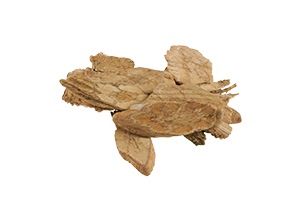
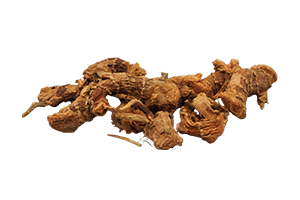
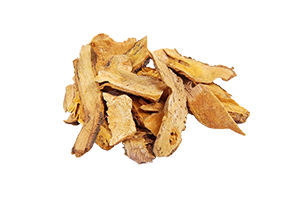
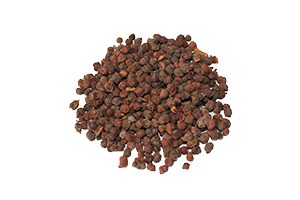
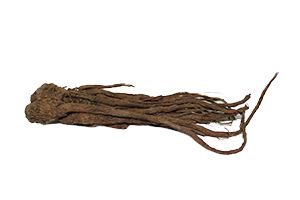
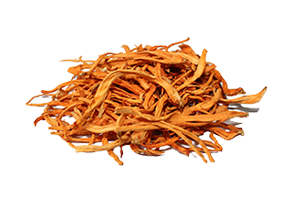

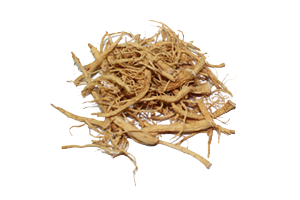
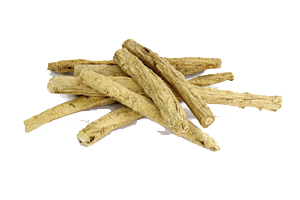
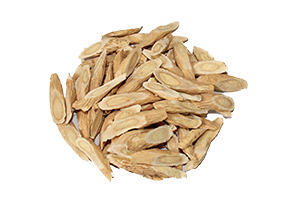





Coptis Chinensis: A Natural Plant Extract for Metabolic Health
Post time: 2026-06-05
A pilot study published on February 20, 2026, in the international academic journal *Nutrition and Dietary Supplements* demonstrated that berberine delivered via liposome technology is significantly more efficiently absorbed in the human body than its traditional form. With increasing consumer focus on metabolic health and gut health in Europe and America, Coptis chinensis extract, a natural plant extract rich in berberine, is seeing its application scenarios continuously expand.
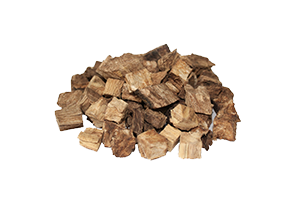
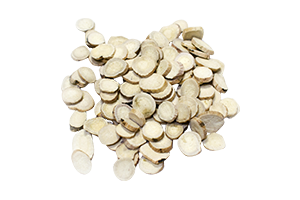
Coptis chinensis, a perennial herb belonging to the genus Coptis of the Ranunculaceae family, thrives in cool, moist environments. It is cold in nature and bitter in taste, possessing the effects of clearing heat and drying dampness, purging fire and detoxifying, and is a traditional Chinese medicine for clearing heat. Berberine, also known as berberine alkaloid, is a hallmark isoquinoline alkaloid and is the most abundant and representative active substance in Coptis chinensis, showing significant advantages in regulating blood sugar and lipids and improving overall metabolic levels.
Researchers conducted two clinical trials, using fasting blood glucose (FBG) and 2-hour postprandial blood glucose (PBG) as observational data, to explore the regulatory effects of berberine on human metabolism.
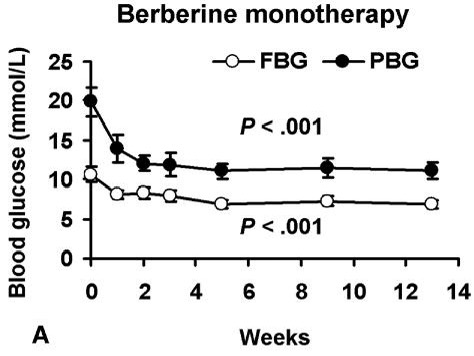
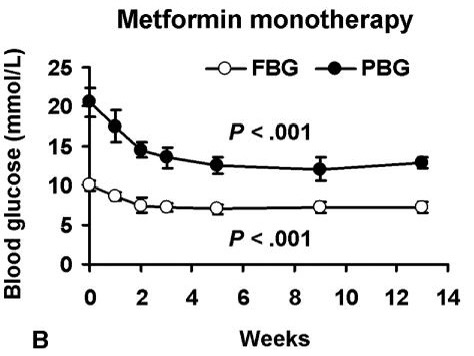
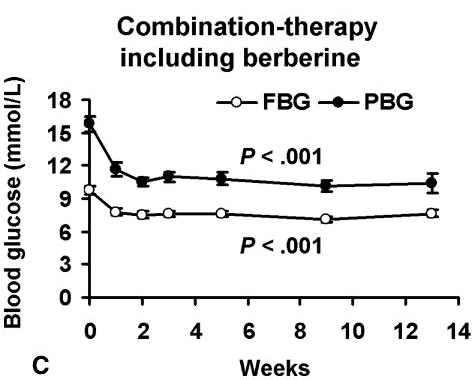
Data:Figure A shows data from 15 subjects treated with berberine alone; Figure B shows data from 16 control subjects; and Figure C shows data from 43 subjects treated with a combination of berberine and other treatments.
In the first randomized controlled trial, 36 participants received either berberine or a standard treatment regimen for 3 months. The trial showed that berberine steadily regulated glucose and lipid levels, improving multiple metabolic parameters such as glycated glucose, pre- and post-meal blood glucose, and triglycerides, with effects similar to the control group.
The second trial involved 48 individuals with poorly controlled blood glucose levels. Berberine was added to their existing treatment regimen for a continuous 3-month intervention. Pre- and post-meal blood glucose levels significantly decreased from the first week onwards, and glycated glucose levels, insulin resistance index, and blood lipid levels all showed marked improvement. Only a small number of participants experienced transient gastrointestinal adverse reactions during the trial, and no cases of liver or kidney damage were reported.
This study directly confirms that berberine can regulate glucose and lipid metabolism in multiple dimensions, contributing to gut health through its good gastrointestinal compatibility. Its excellent safety profile makes it a high-quality ingredient in metabolic management and further promotes the recognition and popularity of natural plant extracts in the functional nutrition market in Europe and America.
Application Areas
• Traditional Chinese Medicine Clinical Practice: Suitable for both internal and external use, for treating damp-heat diarrhea, excessive heart fire, sores, and inflammation;
• Traditional Chinese Medicine Manufacturing: As a core raw material, it is widely used in the production of classic traditional Chinese medicines such as Huanglian Shangqing Pian and Xianglian Wan;
• Daily Chemical Products: Added to toothpaste, mouthwash, and acne-fighting skincare products, it exerts antibacterial and soothing effects;
• Livestock Industry: A natural plant antibacterial raw material, commonly used in livestock, poultry, and aquaculture to prevent bacterial intestinal diseases.
About Us
Naturalin Agricultural specializes in the research and development of natural plant extracts. We can customize raw material specifications according to customer needs and provide one-stop solutions for raw material formulation and application implementation. We sincerely invite you to discuss cooperation.
Reference:Jun Yin, Huili Xing, Jianping Ye. Efficacy of berberine in patients with type 2 diabetes mellitus.Metabolism.2008.57(5):712-7.