- About Us
-
Products & Services
Customize me!
Leam more about Naturalin Agricultural
Custom solutions. MORE +
- Quality
- Sustainability
- News
- Contact Us


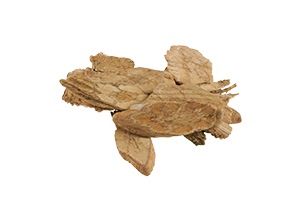
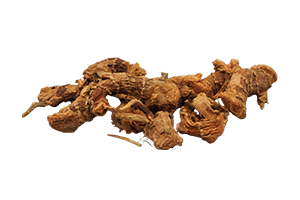
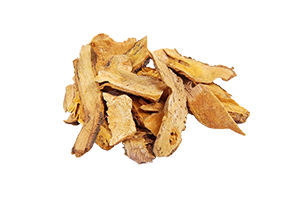
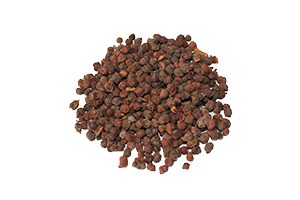
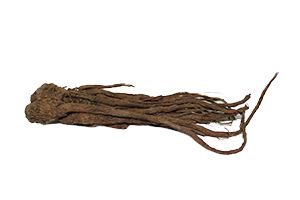
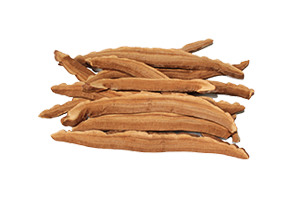
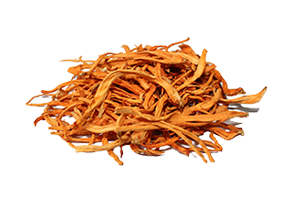

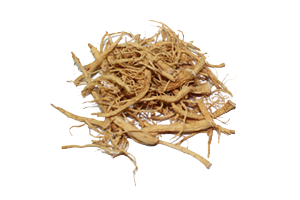
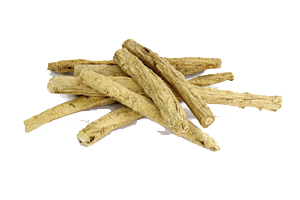
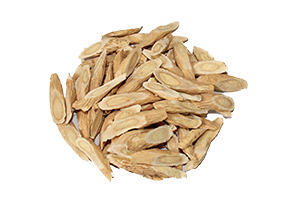
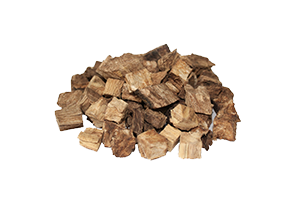
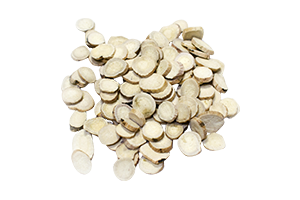
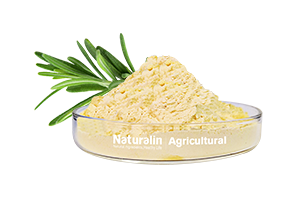
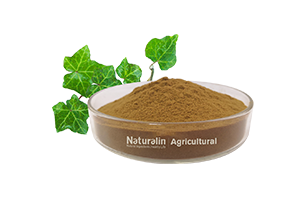





White Peony Root: Pharmacological Exploration and Traditional Applications
Post time: 2026-09-18
White Peony Root is a traditional herbal raw material derived from the processed, dried root of Paeonia lactiflora Pall. Its surface appears white or pale reddish-brown. It is bitter and sour in taste and slightly cold in nature. It primarily acts on the Liver and Spleen meridians. As a medicinal herb with a long history of use, it is frequently employed in decoctions and exerts a wide range of pharmacological effects in TCM formulas. Modern pharmacological research confirms that White Peony Root contains key active substances such as paeoniflorin, polysaccharides, and triterpenoids. These diverse components collectively give White Peony Root broad value in research and application.
Market Dynamics
According to data from a Dataintelio report, the global White Peony Root extract market was valued at USD 433.8 million in 2025 and is projected to expand to USD 779.2 million by 2034, growing at a compound annual growth rate of 6.8% during the forecast period. Key market drivers include the rising global demand for plant-based medicines, increasing consumer acceptance of dietary supplements and functional foods, and the gradual refinement of policies and industry standards related to TCM. These factors support the application and commercialization of White Peony Root extract in the global market.
Traditional Applications
White Peony Root was first documented in the Shennong Bencao Jing (Divine Farmer's Classic of Materia Medica). Numerous medical texts throughout history have recorded classic formulas containing White Peony Root, such as Shaoyao Gancao Tang (Peony and Licorice Decoction) and Siwu Tang (Four-Substance Decoction). When combined with other herbs, White Peony Root harmonizes medicinal properties and is suitable for a wide range of application scenarios: paired with Bupleurum (Chaihu) to regulate the Liver and Spleen; combined with Cinnamomum ramulus (Guizhi) to warm and unblock Yang energy; used with Angelica sinensis (Danggui) to nourish the blood; and frequently formulated alongside Atractylodes macrocephala (Baizhu) and Poria cocos (Fuling).
Key Functions
• Anti-inflammatory: Research indicates that active components such as total glucosides of peony regulate the release of various inflammatory mediators and cytokines in the body. They can intervene in inflammation-related signaling pathways, thereby alleviating the body's inflammatory response.
• Neuroprotection: Paeoniflorin exhibits potential protective effects on brain cells and the nervous system through mechanisms such as antioxidation, free radical scavenging, immune status modulation, and delaying neuronal senescence.
• Immunomodulation: Total glucosides of peony act on multiple molecular targets. By regulating immune cell activity, inhibiting the production of inflammatory mediators, intervening in abnormal signaling pathways, and acting on immune organs, they induce corresponding changes within the immune system.
About Us
Naturalin Agricultural specializes in the R&D, production, and sales of herbal raw materials and extracts. The group standard for White Peony Root extract, which our company participated in formulating, has been officially released. Moving forward, we will conduct further research to explore technologies for enhancing the bioavailability of White Peony Root and its active constituents, advance the development of customized raw material formulations, and fully unlock the application potential of White Peony Root. Please contact us if you have any inquiries.
References:
[1] Wang Qiuyan, Wang Shixin, Sui Fangyu, et al. Research progress on active constituents, pharmacological effects, and factors influencing compositional changes of white peony [J]. Chinese Traditional and Herbal Drugs, 2025, 56(5): 1817–1829.
[2] Kuang Huiying, Ren Chenchen, Peng Yuan, et al. Research progress on the chemical constituents and pharmacological effects of white peony [J]. Biological Chemical Engineering, 2025, 11(5): 212–217.